Exploring Body Art as a Medium in Contemporary Performance Art
From ochre-painted rites to henna ceremonies, the human body has long carried stories in color and pattern. Contemporary performance artists channel those echoes, translating communal memory into immediate, intimate gestures. Share a cultural practice that shaped your understanding of the body’s symbolic power.
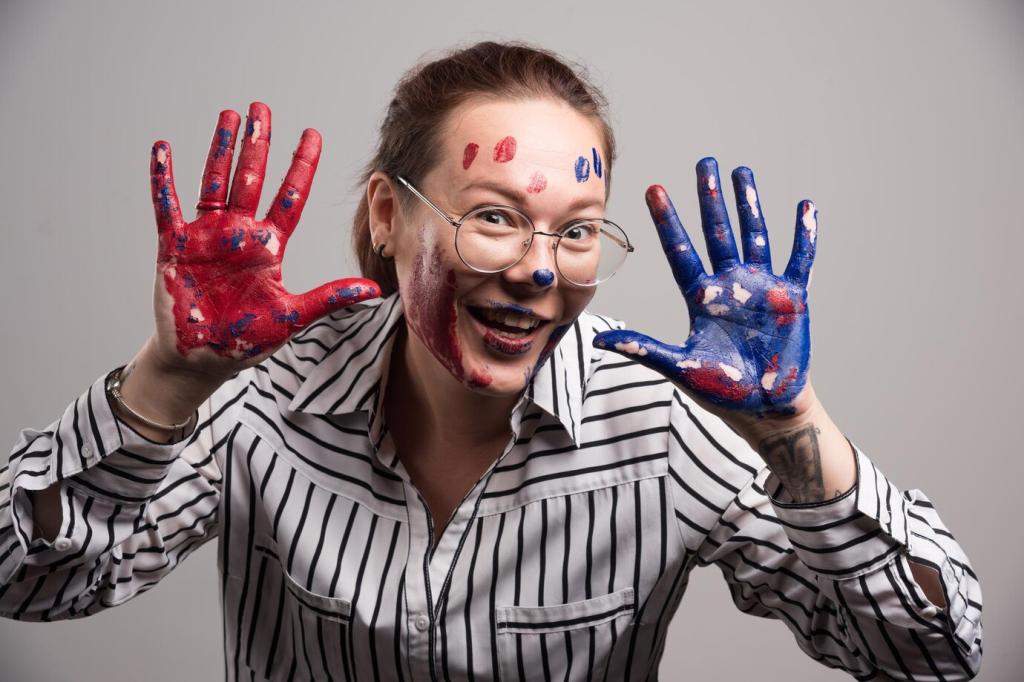
Skin records touch, temperature, pressure, and pigment with immediate honesty. Think of sweat turning pigment into watercolor, or a heartbeat making lines tremble. Those micro-events compose the artwork in real time. What textures move you most? Comment with materials you’ve tried, and let other readers learn from your experiments.
The Body: Canvas, Instrument, Archive
Endurance-based works use time like a dye that slowly saturates meaning. Each minute stains the body with fatigue, focus, and risk, revealing patterns that cannot be rehearsed. Consider how pacing, pause, and repetition color perception. Try timing a sequence today, and tell us how duration changed the piece’s emotional tone.
Choose cosmetic-grade pigments, patch-test adhesives, and ventilate spaces. Flexible prosthetics can extend gesture, turning elbows into wings or scars into shining seams. Technique matters: brush, pour, press, and lift each produce distinct textures. What combinations have surprised you? Post recipes, and let others iterate respectfully on your discoveries.
Techniques and Materials for Embodied Creation
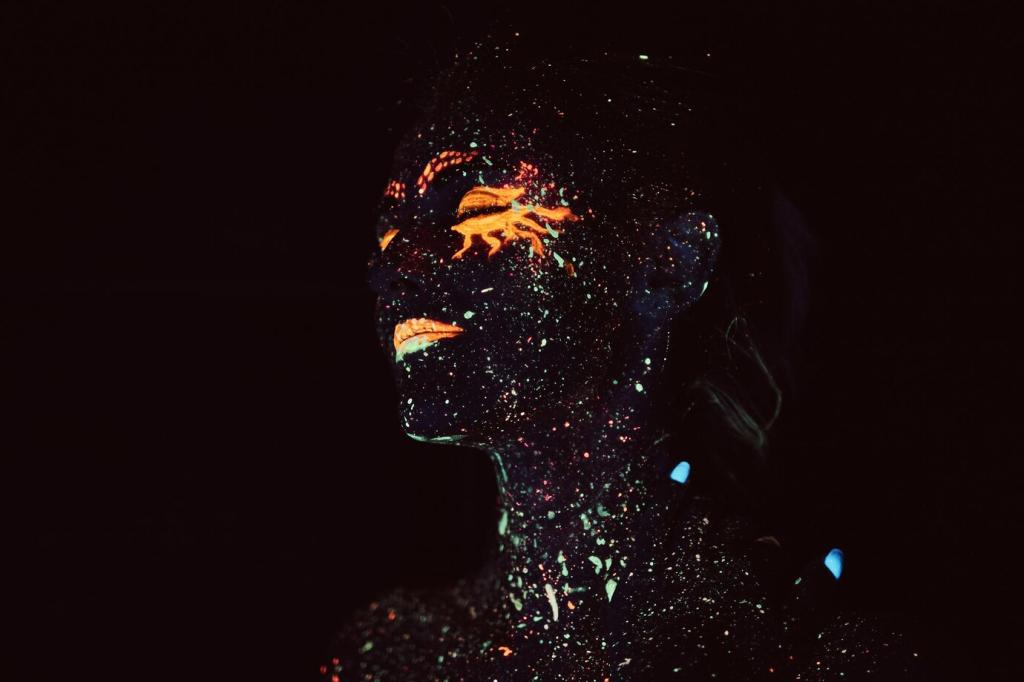
Projection mapping can bathe moving skin in shifting architectures, while accelerometers translate motion into live sound. Biosensors sonify breath or muscle tension, making interior states audible. Start small with a phone sensor and free software. Curious about setups? Ask questions below, and we’ll craft a subscriber guide with schematics.
Techniques and Materials for Embodied Creation
Cultural and Political Resonance of the Marked Body
From painted vigils to choreographed marches, marked bodies carry communal grief and demand visibility. Temporary stains become public statements that cannot be muted by silent walls. Share a performance that changed your civic perspective, and invite readers to reflect on art’s role in collective healing and accountability.
Each day, mark one body part with a different material—chalk, thread, light, text, or sound. Journal the sensation, meaning, and audience reactions if any. By day seven, sequence your favorites. Post your reflections, and tag a peer who might try the prompt alongside you.
Seek partners across disciplines—dancers, coders, herbalists, poets. Approach community centers, galleries, or parks with clear proposals and safety plans. A small, well-held room beats a big, unprepared one. Comment with venues that supported you, and help others discover welcoming, affordable stages.